
Legacy modernization
Modernize the system that got you here, without stopping the business
Most proposals start with a full rebuild and a big team. Ours starts with a two-week audit that decides which shape fits: an extension, a partial replacement or a rewrite, on the full transition and operating cost.
 Our services are available worldwide,
including Germany







80+
products shipped since 2013
in fintech, health, legal and martech
3
shapes of modernization: extension, partial replacement, rewrite
One recommended after the audit
45%
average budget overrun on large IT projects
McKinsey and Oxford: the number the audit exists to beat
Products we have shipped for
When our clients have been acquired, the buyers examined the code and the architecture in technical due diligence and, more than once, kept us on as the team that knows the product best. For AvatarFleet we modernized the experience layer of a live logistics platform while it kept serving its customers.
Which of these is yours?
Three ways a legacy system holds a business back
It blocks growth
The roadmap is full of things the system cannot do: a new market, a new product line, a partner integration, a compliance requirement. Every release is slower than the last, and the people who could change it are busy keeping it alive.
It cannot serve important needs economically
The capability exists on paper, but each instance costs a project: a report that takes a developer a week, a customer request that needs a workaround, an integration that was quoted and shelved.
It costs too much to keep
Maintenance eats the budget, the stack is out of support, the one engineer who understands the core is a risk on their own, and hiring for the old technology gets harder every year.
If you recognise one of these, the question is not whether to modernize. It is which shape, and what it really costs against the cost of staying.
Why now
The changes you shelved were priced before AI-supported development
Most legacy estates carry a list of changes that were estimated, judged too expensive or too risky, and parked. Those estimates assumed a team typing every line by hand, reverse-engineering undocumented behaviour, and testing by hope. That is no longer how we build.
Our engineers work with AI coding agents inside a written engineering standard, VeryADR, built from shipping regulated products since 2013. The agents read the legacy code faster than a person can, draft the migration steps, write the tests that pin down existing behaviour before anything changes, and implement to the standard; a senior engineer answers for every change, and a second qualified engineer approves anything that touches access, data, migrations, secrets or money. The result is that estimates made two years ago are often wrong today, in both directions, and a rewrite that was unthinkable is sometimes the cheapest shape. Not always. The audit is how we find out.
The pressure is not only internal. Nearly 60% of AI leaders name legacy-system integration the top barrier to agentic AI adoption (Deloitte via IT Convergence). Companies that ignore technical debt see project returns drop by 18 to 29% and timelines stretch by up to 22% (IBM Institute for Business Value via InformationWeek). And the benchmark for what staying costs is stark: the US federal government spends 79% of its 100-billion-dollar-plus IT budget operating and maintaining existing systems (GAO data via RecordPoint).
The shapes
Extend, replace in part, or rewrite
Every modernization we do takes one of three shapes. We recommend one after the audit, on the full transition and operating cost, and we recommend a rewrite only when it is justified.
| Shape | What it means | When it fits | What you keep |
|---|---|---|---|
| Extension | New capabilities built beside the existing system, connected through an interface; the old core keeps running | The core is sound and supported; the pain is what it cannot do yet | Everything; the new parts are built to the standard and can outlive the core |
| Partial replacement | The worst modules replaced one at a time behind the running product, the Strangler Fig way, until the old core can be retired without a cutover | The architecture blocks the roadmap but the business cannot stop; the stack is ageing, not dead | Your data, your users' habits, and every module that still earns its keep |
| Rewrite | A new system built to the standard, with the old one running until the switch | The foundation itself is the problem: end-of-life stack, nobody who can hire for it, every change breaking something else | Your business rules, your data and your domain knowledge, carried over on purpose, not by accident |
The fourth answer is also on the table: leave it alone. If the audit finds a system that is ugly but sound, and the roadmap does not need what it cannot do, we say so in writing.
Refactor, rebuild or replace: the decision guideGet the audit and the recommendation before anyone quotes a rebuild.
Two weeks, fixed scope, quoted in the first call. You leave with the shape, the full cost against the cost of staying, and a written recommendation you can take to any vendor, including the one that says leave it alone.
How it runs
Audit, decide, modernize in phases, keep the business running
1
Clarity Sprint: two weeks, starting with the audit
We read and run the code the way we audit any inherited system: security, architecture, data and compliance, operations, code health and delivery, rated in plain words, with what we checked in full, what we sampled and what we did not assess. Risks come ordered by urgency, each stated as its effect on the business with the technical cause beside it. You leave with a decision you can defend: which shape, what it costs in full, what it would take to go live, and where a working prototype of the hardest part proved the shape where the question needed one. What you bring: read access to the code and a copy of the data, one sponsor who can decide, and about two hours a week of the people who know the system.
2
Delivery to production, in phases
Modernization runs in fixed-scope phases behind a working product, with a re-scoping gate between phases, so the business never stops and no phase bets the roadmap on a big-bang cutover. Database changes roll out without downtime, every migration keeps the old and the new shape readable at once, and the system falls back to the old path if a new one misbehaves. Your Product Delivery Lead reports to you weekly.
3
Run and evolve
Most clients keep the team on as a Team-as-a-Service: the next capability, the next integration, the next regulation, on the system you now own in full.
Not only the backend
The user interface is usually the oldest part
The modernization taxonomy every vendor publishes is pure backend: rehost, refactor, re-architect, rebuild. The part your customers and your staff touch every day is left out, and it is often the part a challenger is building a business plan around. We design as well as engineer, so the experience layer is in scope from the audit onwards.

Proof
Systems that were examined, and teams that were kept
We have shipped more than 80 products since 2013 in fintech, health, legal and martech, under FCA, PSD2 and clinical scrutiny. When our clients have been acquired, the buyers examined the code and the architecture in technical due diligence and, more than once, kept us on as the team that knows the product best. That is the test a modernized system has to pass: not that it is new, but that a stranger with a cheque book reads it and stays.

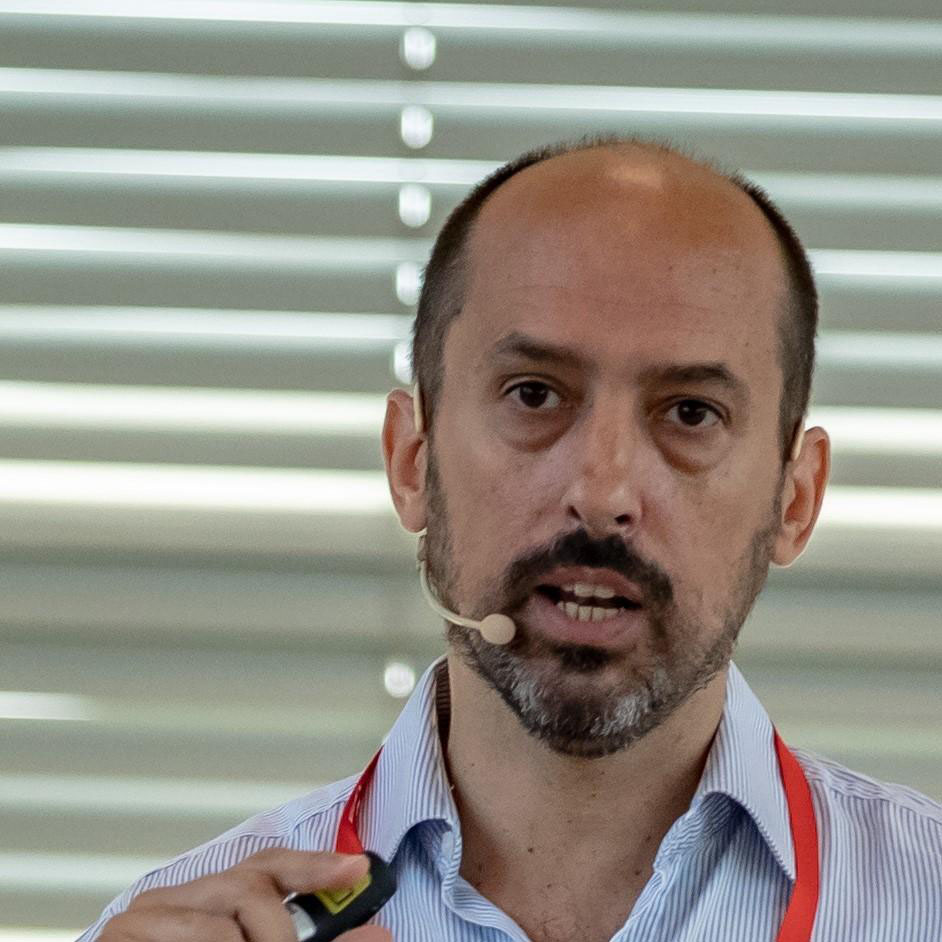
Philipp Martin
CEO & Co-Founder of Reachbird
%20--%3e%3csvg%20version='1.1'%20id='Ebene_1'%20xmlns='http://www.w3.org/2000/svg'%20xmlns:xlink='http://www.w3.org/1999/xlink'%20x='0px'%20y='0px'%20viewBox='0%200%202927.69%20366.04'%20style='enable-background:new%200%200%202927.69%20366.04;'%20xml:space='preserve'%3e%3cstyle%20type='text/css'%3e%20.st0{fill:url(%23SVGID_1_);}%20%3c/style%3e%3clinearGradient%20id='SVGID_1_'%20gradientUnits='userSpaceOnUse'%20x1='25.2367'%20y1='183.1596'%20x2='2902.4714'%20y2='183.1596'%3e%3cstop%20offset='0'%20style='stop-color:%234FBAAB'/%3e%3cstop%20offset='1'%20style='stop-color:%2334B9CB'/%3e%3c/linearGradient%3e%3cpath%20class='st0'%20d='M786.72,43.23L667.1,311.61h63.64l23.77-57.51h124.61l23.77,57.51c3.24,7.64,14.41,16.07,36.81,16.07%20s28.37-16.07,28.37-16.07l-120-268.38H786.72z%20M774.45,206.95l42.56-102.75l42.56,102.75H774.45z%20M433.97,199.66h124.6v-48.31%20h-124.6V93.07h141.09V43.23c0,0-151.25,0-163.49,0s-21.72-0.02-30.5,8.77c-8.79,8.79-8.83,17.89-8.83,30.42s0,229.2,0,229.2h207.81%20v-49.84H433.97V199.66z%20M257.97,140.62c0-60.19-44.86-97.39-116.56-97.39H25.24v268.38h62.11v-74.77h54.06h3.07l51.76,74.77%20c17.22,22.3,61.41,18.5,66.71,0l-60.19-86.27C237.64,210.4,257.97,180.87,257.97,140.62z%20M137.96,187.39H87.35V93.84h50.61%20c37.96,0,57.13,17.25,57.13,46.78C195.08,169.75,175.92,187.39,137.96,187.39z%20M1165.16,91.54c26.84,0,49.46,10.74,67.48,31.44%20l11.04-10.19l28.84-26.62c-25.3-30.68-64.03-47.54-110.42-47.54c-83.58,0-145.69,57.89-145.69,138.79%20c0,80.9,62.11,138.79,145.31,138.79c46.78,0,85.5-16.87,110.81-47.92l-39.88-36.81c-18.02,21.09-40.64,31.82-67.48,31.82%20c-50.23,0-85.88-35.27-85.88-85.88C1079.28,126.81,1114.93,91.54,1165.16,91.54z%20M1559.32,149.05h-121.92V43.23c0,0-6.65,0-22.83,0%20c-14.8,0-21.87-0.01-30.58,8.7c-8.71,8.71-8.7,15.76-8.7,30.48c0,17.16,0,229.2,0,229.2h62.11V201.58h121.92v110.03h62.11V43.23%20l-62.12-0.02L1559.32,149.05z%20M2754.47,43.23c0,0-68.85,0-82.65,0c-12.45,0-20.09-0.29-30.32,8.64c-8.48,7.4-8.95,20.05-8.95,30.6%20c0,10.55,0,229.14,0,229.14h121.92c87.8,0,148-52.91,148-134.19C2902.47,96.14,2842.27,43.23,2754.47,43.23z%20M2751.41,260.62h-56.74%20V94.23h56.74c53.29,0,88.18,31.82,88.18,83.2C2839.59,228.8,2804.69,260.62,2751.41,260.62z%20M2517.12,140.46%20c0-60.19-44.86-97.39-116.56-97.39h-116.17v268.38h62.11v-74.77h54.06h3.07l51.76,74.77c17.22,22.3,61.41,18.5,66.71,0l-60.19-86.27%20C2496.8,210.24,2517.12,180.72,2517.12,140.46z%20M2397.11,187.23h-50.61V93.68h50.61c37.96,0,57.13,17.25,57.13,46.78%20C2454.24,169.59,2435.07,187.23,2397.11,187.23z%20M1939.68,172.06c21.86-11.5,35.67-32.21,35.67-59.05%20c0-41.79-34.51-69.78-101.6-69.78h-131.13v268.38h138.79c70.55,0,107.35-26.84,107.35-73.23%20C1988.75,204.65,1969.59,181.64,1939.68,172.06z%20M1804.35,90.01h61.72c30.29,0,46.78,10.35,46.78,31.44%20c0,21.09-16.49,31.82-46.78,31.82h-61.72V90.01z%20M1876.81,264.84h-72.46v-66.33h72.46c32.21,0,49.46,10.74,49.46,33.35%20C1926.27,254.87,1909.01,264.84,1876.81,264.84z%20M2109.87,51.98c-8.79,8.79-8.75,15.93-8.75,30.43c0,14.49,0,229.2,0,229.2h62.11%20V43.23c0,0-11.82,0-22.91,0S2118.66,43.19,2109.87,51.98z'/%3e%3c/svg%3e)
The boundaries
What modernization does not cover, and one thing we will not promise
Adding AI to the system you already have is AI Implementation: a model inside a process or a product, with the four questions settled per project. We will route you there.
A prototype or an inherited build that must reach production is Vibe Code to Production: the fixed-price audit and the hardening.
A mainframe or an off-the-shelf package swap is not what we do. We modernize the software products and the operational systems a company built or had built for itself.
A smaller team and a lower bill, promised before the audit. Savings are real when they are real; we commit to them only after the full transition and operating cost is on the table.
Honest fit
We'll tell you in the first call.
A good fit if
The system is business-critical and the company is established.
A sponsor owns the decision and the budget.
The roadmap needs things the system cannot do.
The cost of keeping it has become visible.
You want one accountable team for the decision and the work.
Probably not a fit if
You want a rewrite quoted without an audit.
The system is a commodity you should buy instead.
Nothing is actually at stake if it stays as it is.
You want rented hands to manage yourself.
Straight answers
The questions legacy owners ask us
Contact Us
Tell us what the system is stopping you from doing. If it is business-critical and it is holding you back, we should talk.
What happens next?
We'll get back to you within 48 hours to schedule a free online consultation with our founders, Máté and Ferenc. They'll discuss your initiative and give you honest, expert feedback on what it will take to build - whether you work with us or not.
Your data is safe
We'll only use what you share here to prepare for the conversation. No lists, no spam, no passing your details to anyone else.
What time zone are you in?
We're based in Budapest (GMT+2), working daily with teams across the EU, UK, US, and UAE. Overlap has never been the hard part.
Would you rather write an email?
Write to hello@verycreatives.com - we reply by the next working day at the latest.







%20--%3e%3csvg%20version='1.1'%20id='Ebene_1'%20xmlns='http://www.w3.org/2000/svg'%20xmlns:xlink='http://www.w3.org/1999/xlink'%20x='0px'%20y='0px'%20viewBox='0%200%202927.69%20366.04'%20style='enable-background:new%200%200%202927.69%20366.04;'%20xml:space='preserve'%3e%3cstyle%20type='text/css'%3e%20.st0{fill:url(%23SVGID_1_);}%20%3c/style%3e%3clinearGradient%20id='SVGID_1_'%20gradientUnits='userSpaceOnUse'%20x1='25.2367'%20y1='183.1596'%20x2='2902.4714'%20y2='183.1596'%3e%3cstop%20offset='0'%20style='stop-color:%232D363C'/%3e%3cstop%20offset='1'%20style='stop-color:%232D363C'/%3e%3c/linearGradient%3e%3cpath%20class='st0'%20d='M786.72,43.23L667.1,311.61h63.64l23.77-57.51h124.61l23.77,57.51c3.24,7.64,14.41,16.07,36.81,16.07%20s28.37-16.07,28.37-16.07l-120-268.38H786.72z%20M774.45,206.95l42.56-102.75l42.56,102.75H774.45z%20M433.97,199.66h124.6v-48.31%20h-124.6V93.07h141.09V43.23c0,0-151.25,0-163.49,0s-21.72-0.02-30.5,8.77c-8.79,8.79-8.83,17.89-8.83,30.42s0,229.2,0,229.2h207.81%20v-49.84H433.97V199.66z%20M257.97,140.62c0-60.19-44.86-97.39-116.56-97.39H25.24v268.38h62.11v-74.77h54.06h3.07l51.76,74.77%20c17.22,22.3,61.41,18.5,66.71,0l-60.19-86.27C237.64,210.4,257.97,180.87,257.97,140.62z%20M137.96,187.39H87.35V93.84h50.61%20c37.96,0,57.13,17.25,57.13,46.78C195.08,169.75,175.92,187.39,137.96,187.39z%20M1165.16,91.54c26.84,0,49.46,10.74,67.48,31.44%20l11.04-10.19l28.84-26.62c-25.3-30.68-64.03-47.54-110.42-47.54c-83.58,0-145.69,57.89-145.69,138.79%20c0,80.9,62.11,138.79,145.31,138.79c46.78,0,85.5-16.87,110.81-47.92l-39.88-36.81c-18.02,21.09-40.64,31.82-67.48,31.82%20c-50.23,0-85.88-35.27-85.88-85.88C1079.28,126.81,1114.93,91.54,1165.16,91.54z%20M1559.32,149.05h-121.92V43.23c0,0-6.65,0-22.83,0%20c-14.8,0-21.87-0.01-30.58,8.7c-8.71,8.71-8.7,15.76-8.7,30.48c0,17.16,0,229.2,0,229.2h62.11V201.58h121.92v110.03h62.11V43.23%20l-62.12-0.02L1559.32,149.05z%20M2754.47,43.23c0,0-68.85,0-82.65,0c-12.45,0-20.09-0.29-30.32,8.64c-8.48,7.4-8.95,20.05-8.95,30.6%20c0,10.55,0,229.14,0,229.14h121.92c87.8,0,148-52.91,148-134.19C2902.47,96.14,2842.27,43.23,2754.47,43.23z%20M2751.41,260.62h-56.74%20V94.23h56.74c53.29,0,88.18,31.82,88.18,83.2C2839.59,228.8,2804.69,260.62,2751.41,260.62z%20M2517.12,140.46%20c0-60.19-44.86-97.39-116.56-97.39h-116.17v268.38h62.11v-74.77h54.06h3.07l51.76,74.77c17.22,22.3,61.41,18.5,66.71,0l-60.19-86.27%20C2496.8,210.24,2517.12,180.72,2517.12,140.46z%20M2397.11,187.23h-50.61V93.68h50.61c37.96,0,57.13,17.25,57.13,46.78%20C2454.24,169.59,2435.07,187.23,2397.11,187.23z%20M1939.68,172.06c21.86-11.5,35.67-32.21,35.67-59.05%20c0-41.79-34.51-69.78-101.6-69.78h-131.13v268.38h138.79c70.55,0,107.35-26.84,107.35-73.23%20C1988.75,204.65,1969.59,181.64,1939.68,172.06z%20M1804.35,90.01h61.72c30.29,0,46.78,10.35,46.78,31.44%20c0,21.09-16.49,31.82-46.78,31.82h-61.72V90.01z%20M1876.81,264.84h-72.46v-66.33h72.46c32.21,0,49.46,10.74,49.46,33.35%20C1926.27,254.87,1909.01,264.84,1876.81,264.84z%20M2109.87,51.98c-8.79,8.79-8.75,15.93-8.75,30.43c0,14.49,0,229.2,0,229.2h62.11%20V43.23c0,0-11.82,0-22.91,0S2118.66,43.19,2109.87,51.98z'/%3e%3c/svg%3e)
"VeryCreatives is not only a reliable partner for IT-development, but also understands our whole business model completely. Therefore, the VC-team helped us actively to define the right product strategy. Thank you, VeryCreatives!"

Philipp Martin
CEO & Co-Founder, Reachbird